

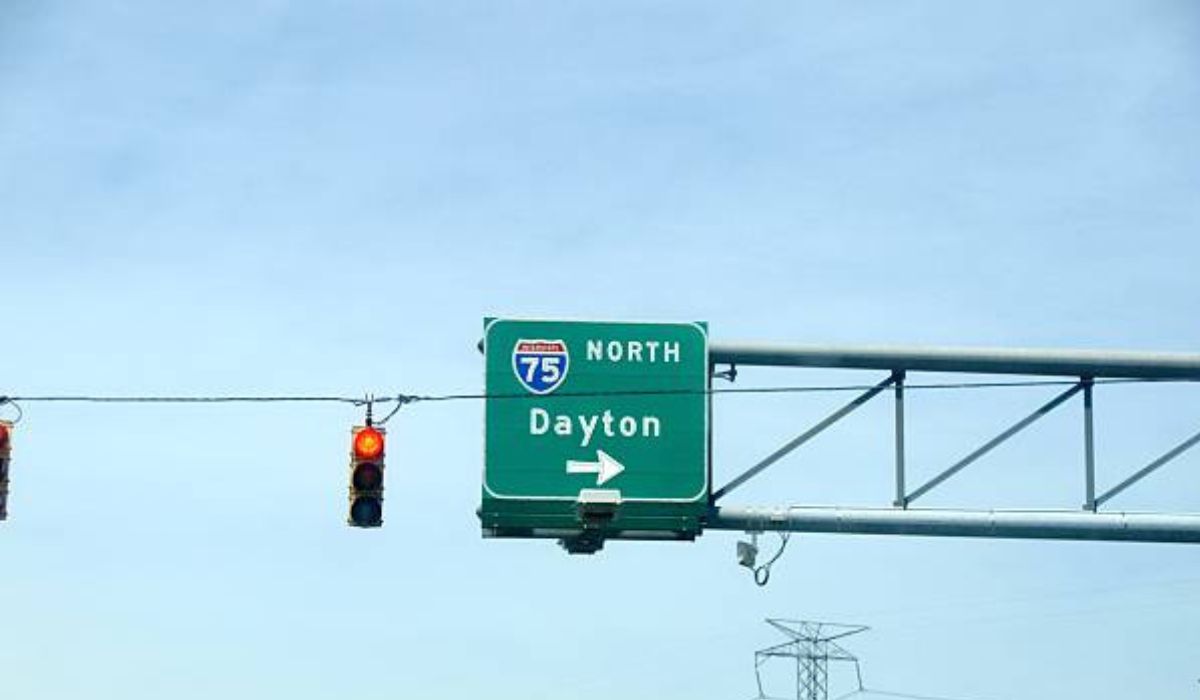
If you have driven on Interstate 75, you know that unexpected delays can test your patience. But when the delay is caused by an I-75 power line shutdown, the situation shifts from a simple traffic jam to a potential safety concern. Whether you are a daily commuter or a long-haul trucker passing through Georgia, Florida, or Michigan, encountering a highway closure due to electrical work or downed lines is frustrating and confusing.
Understanding why these shutdowns happen, how long they last, and how to navigate them safely can save you hours of sitting in gridlock. This guide covers everything you need to know about power line shutdowns on I-75, from the common causes to practical tips for rerouting.
Why Power Lines Cause Highway Shutdowns on I-75
When you see traffic at a complete standstill and hear sirens in the distance, there is a good chance a utility incident is to blame. Power lines and major highways intersect in thousands of locations, and when something goes wrong, the road becomes a danger zone.
The Danger of Downed Lines
High voltage power lines carry enough electricity to cause fatal injuries on contact. If a line falls across I-75, whether due to a storm, a car accident, or a structural failure, first responders must treat the area as a crime scene until the utility company arrives. They cannot simply move the wire; they must wait for trained professionals to de-energize the line. This process, known as a “shutdown,” ensures that no electricity is flowing through the wire, making it safe for crews to remove it from the roadway.
Planned Maintenance and Upgrades
Not all shutdowns are emergencies. Utility companies often need to perform maintenance or upgrades to the aging power grid. Sometimes, this work requires running new lines directly over the highway. To do this safely, they must temporarily stop traffic. These planned I-75 power line shutdown events are usually scheduled for off-peak hours, such as late at night or early in the morning, to minimize disruption. However, if a project falls behind schedule, drivers might still encounter delays during rush hour.
Common Locations for Power Line Incidents on I-75
I-75 stretches from the Canadian border in Michigan all the way down to Miami, Florida. While incidents can happen anywhere, certain areas are more prone to power line disruptions due to weather patterns or infrastructure density.
The “Lightning Alley” Stretch in Florida
Central Florida, particularly the corridor from Tampa to Ocala, is often referred to as “Lightning Alley” because it receives more lightning strikes per square mile than almost anywhere else in the United States. A single lightning strike to a transmission tower can cause a surge that blows transformers or actually damages the lines. When this happens over the highway, debris and live wires can rain down onto the asphalt, triggering an immediate shutdown.
Urban Corridors in Atlanta and Detroit
In major metropolitan areas like Atlanta, Georgia, and Detroit, Michigan, the power grid is massive and complex. Here, car accidents are the leading cause of power line shutdowns. A vehicle crashing into a utility pole on the side of the road can snap the pole, pulling the high-tension wires down across multiple lanes of traffic. Because of the high volume of cars in these cities, even a minor utility incident can cause a chain reaction of gridlock for miles.
How Long Does an I-75 Shutdown Actually Last?
This is the question every driver wants answered when they are stuck in their car. Unfortunately, there is no single answer, but there is a general timeline you can expect.
For a planned shutdown, the utility company coordinates with the Department of Transportation (DOT) to have a specific window. These typically last anywhere from 15 minutes to an hour. They might shut down the road in 15-minute intervals to string lines across, then open it back up to let traffic pass before closing it again.
For an emergency shutdown, the timeline is much less predictable. The first priority is rescue and medical attention if an accident is involved. Next, the utility crew must arrive on site, which can take 30 to 60 minutes depending on traffic. Once there, they need to assess the damage, isolate the circuit, and safely ground the lines. This process usually takes a minimum of 2 to 4 hours. If a pole needs to be replaced, it can take 6 to 12 hours or more.
Safety Rules You Must Follow During a Shutdown
When traffic stops on a freeway, human nature is to feel restless. However, if the stoppage is due to a power line, getting out of your car could be a deadly mistake.
Assume All Wires Are Live
Utility workers follow a strict safety protocol: they always assume a line is energized until they personally verify it is de-energized and grounded. You should do the same. If you see a power line touching the ground, or even just hanging low over the road, stay as far away as possible. Do not touch your vehicle to the wire, and do not attempt to move the wire with an object.
The Rule of Staying in Your Vehicle
If a power line falls on your car while you are on I-75, the safest place is inside the vehicle. The rubber tires provide insulation from the ground. You should stay put, honk your horn for help, and wait for utility crews. Only exit if the car is on fire, and if you must jump out, do not touch the ground and the car at the same time. You must jump clear with your feet together and shuffle away, keeping both feet on the ground at all times to avoid becoming a path for electricity.
Technology and Alerts for Power Line Shutdowns
Staying informed is your best defense against getting stuck. In the past, you had to rely on radio reports, but today, technology gives you real-time updates.
511 Services and Navigation Apps
Most states along the I-75 corridor offer a 511 phone system or website. In Georgia, for example, 511 provides real-time information on incidents, including power line shutdowns. Apps like Waze and Google Maps are also highly effective. These platforms rely on user reports and DOT data feeds. When a utility crew blocks a lane, it usually appears on these maps within minutes, allowing you to find an alternative route before you reach the back of the traffic jam.
Utility Company Outage Maps
While DOT maps show you the traffic backup, utility company outage maps can sometimes tell you the why. If you see a massive traffic hold on your GPS, check the local power company’s website. If they show a cluster of outages in the same area as the highway, you can be fairly certain a power line is down on the road, and you should expect a long delay.
Preparing Your Vehicle for Unexpected Delays
Given that I-75 is a major artery for travel between the Midwest and the Southeast, many people take this route for long road trips. If you get caught in a shutdown, you could be stationary for hours.
Emergency Kit Essentials
Every car traveling on a long interstate should have a basic emergency kit. In the context of a power line shutdown, where you might be stuck in extreme heat or cold, water and blankets are essential. If the shutdown is due to a storm, you could be sitting for hours without access to food or water. Having a portable phone charger (power bank) is also critical. If your car battery dies while you are sitting still, you will lose the ability to charge your phone and communicate.
Fuel Management
A common mistake drivers make is letting their gas tank get too low. If you are caught in a four-hour shutdown with your engine running for air conditioning or heat, you will burn through fuel. Try to keep your tank at least half full when driving on I-75, especially through rural stretches in southern Georgia or northern Michigan where exits can be far apart.
The Economic Impact of Shutdowns on Local Communities
An I-75 power line shutdown doesn’t just affect through-traffic. It has a ripple effect on the local economy.
Stranded Trucking and Supply Chain
I-75 is a critical freight corridor. Trucks carrying food, medical supplies, and retail goods rely on this road. A major shutdown forces these trucks to sit idle or take detours through small towns. These detours can add hours to a delivery schedule, leading to spoiled goods (especially in refrigerated trucks) and delayed shipments for businesses waiting on inventory.
Impact on Local Businesses
When the highway shuts down, exit ramps become clogged. Gas stations and restaurants located near the interstate might see a brief surge in business from people pulling off to wait out the delay. However, if the shutdown lasts too long, those same businesses can lose customers because no one can reach them. Furthermore, employees who rely on I-75 to get to work may be late or unable to clock in, costing local businesses in productivity.
What to Do If You See a Low-Hanging Power Line
You do not need a wire to be on the ground for officials to shut down the road. Sometimes, lines sag dangerously low due to heat expansion or damage to a support structure.
If you are driving and notice a power line hanging unusually low over the road, do not drive under it if you believe it will contact your vehicle. Safely slow down and, if possible, pull over to the shoulder at a safe distance. Call 911 immediately. Report the exact location using the mile marker numbers posted on the side of I-75. Dispatchers will contact the utility company and the state police, who will likely implement a rolling slowdown or a full shutdown until the line can be raised or de-energized.
Conclusion
Encountering an I-75 power line shutdown is never convenient, but understanding the reasons behind it can help you respond safely. Whether it is a planned upgrade by the utility company or an emergency response to a storm or accident, these protocols are designed to protect you from the hidden danger of electricity.
By staying alert, using navigation apps to find detours, and keeping an emergency kit in your vehicle, you can navigate these disruptions with less stress. Remember, when it comes to power lines, patience isn’t just a virtue; it is a matter of life and death. Stay in your car, stay informed, and give the utility crews the space they need to make the road safe for everyone.
FAQs
What should I do first if I drive into a power line shutdown zone?
Remain in your vehicle. Turn on your hazard lights and wait for instructions from emergency personnel or utility workers. Do not attempt to turn around or drive over downed lines.
Can I walk past the police tape to get a better view?
No. Never cross a barrier set up by law enforcement. The danger zone for downed power lines can extend far beyond the visible wire, and the ground itself may be energized.
How do utility companies decide when to shut down power for maintenance?
They coordinate with traffic management centers. They usually schedule these I-75 power line shutdown events during low-traffic periods, often between midnight and 4 a.m., to minimize disruption.
Are electric vehicles (EVs) more dangerous in a power line incident?
No. An EV is safe to sit inside if a line falls on it, just like a gas-powered car. The rubber tires provide insulation. However, first responders are trained to handle high-voltage systems in modern EVs, so always inform them if you are in one.
Why does traffic stop even if the power line is on the shoulder?
Safety is the priority. If a line is on the shoulder, it could shift or blow into the roadway. Crews also need room to bring heavy equipment in to fix the pole, which often requires closing a lane or the entire shoulder for stability.
How can I report a low-hanging power line on I-75?
Pull over to a safe location and call 911. Provide the nearest mile marker or cross street. You can also contact the state highway patrol or the local non-emergency police line.
Does a power line shutdown mean my house will lose power?
Not necessarily. The utility company can often isolate the specific circuit feeding the damaged line. However, if the damage is at a major substation or transmission line, widespread outages in the surrounding communities may occur.
Can I use my cruise control in areas prone to power line strikes?
It is wise to remain attentive and avoid relying solely on cruise control in severe weather. Being fully in control of your speed allows you to react faster if you see a hazard like a sparking or sagging wire ahead.
Who pays for the traffic control during a shutdown?
For emergency shutdowns, the cost is typically absorbed by the utility company and the state’s emergency response funds. For planned work, the utility company pays for traffic control officers (often called “flaggers” or “uniformed traffic control”) to manage the flow.
How do first responders know if a line is de-energized?
They do not touch the line. They maintain a safe distance until the utility company arrives with specialized testing equipment to verify that the circuit is de-energized and grounded.
Read Also: Delta Flight DL275 Diverted LAX: Unraveling the Mid-Air Mystery of a Transpacific Turnaround
 John Arthur