

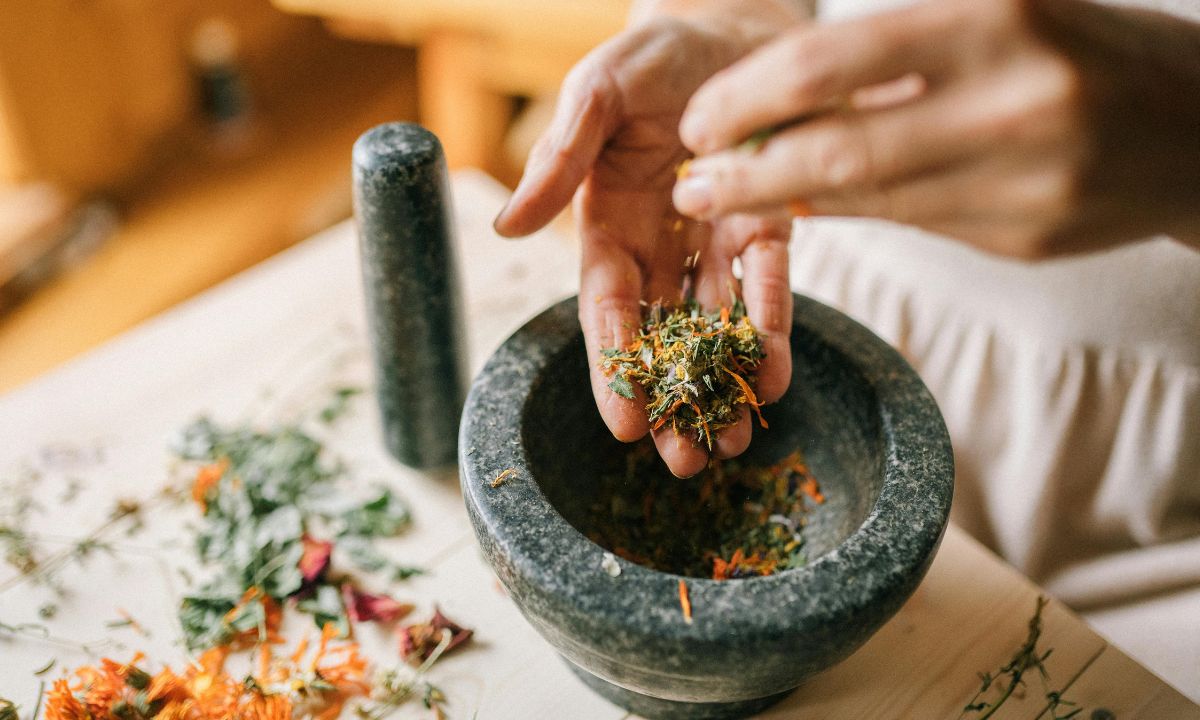
Foenegriek stands out as one of the most versatile herbs you can add to your daily routine. People have relied on this plant for thousands of years to support wellness and enhance flavors in the kitchen. If you have searched for natural ways to manage blood sugar, improve digestion, or simply spice up your meals, foenegriek might be exactly what you need.
Recent studies show that regular use of foenegriek seeds can help lower blood sugar levels in people with diabetes. At the same time, its leaves and seeds bring a unique maple-like aroma to curries and breads. This ancient herb delivers both practical health perks and culinary magic without any complicated steps.
In this guide, you will discover everything about foenegriek. You will learn its origins, nutritional value, proven benefits, easy ways to use it at home, and important safety tips. Whether you want to try foenegriek tea for better digestion or add its seeds to your favorite dishes, this article covers all the details you need to start benefiting today.
What Is Foenegriek?
Foenegriek is an annual plant that belongs to the legume family. Its scientific roots trace back to regions in the Mediterranean and parts of Asia. The plant grows up to two feet tall and produces small white flowers along with distinctive seed pods.
The seeds of foenegriek look like small golden-brown nuggets. They carry a warm, slightly bitter taste that turns sweet and nutty when roasted. Fresh leaves of foenegriek taste a bit like spinach but with a stronger aroma. Many cultures dry the leaves to use as a seasoning throughout the year.
You will often find foenegriek seeds sold whole or ground into powder. Both forms keep well in airtight containers for months. This makes foenegriek a convenient choice for anyone who wants to keep natural remedies and spices on hand.
The Rich History Behind Foenegriek
People first cultivated foenegriek more than 4,000 years ago. Ancient records from Egypt and the Middle East mention its use in food and medicine. Farmers grew it as animal fodder and as a crop for human meals.
Over time, foenegriek spread across India, where it earned the local name methi and became a staple in everyday cooking. Traditional healers in various countries used foenegriek to support digestion and relieve discomfort after meals.
Today, foenegriek remains popular worldwide. Modern research continues to explore the same properties that ancient cultures valued for centuries. This long history gives foenegriek a trusted place in both traditional wellness practices and contemporary kitchens.
Nutritional Value of Foenegriek
Foenegriek seeds pack an impressive amount of nutrients in every serving. A single 100-gram portion contains high levels of protein, dietary fiber, and essential minerals.
Here is a quick breakdown of what you get:
- Protein: Supports muscle repair and keeps you feeling full longer.
- Fiber: Helps regulate digestion and blood sugar.
- Iron: Boosts energy and supports healthy blood flow.
- Magnesium: Contributes to better sleep and reduced muscle tension.
- B vitamins: Aid metabolism and maintain steady energy levels.
The leaves of foenegriek add vitamins A and C when eaten fresh. This combination makes foenegriek a smart choice for anyone looking to improve daily nutrition without relying on supplements alone.
Key Health Benefits of Foenegriek
Foenegriek offers several science-backed advantages that make it worth adding to your lifestyle. Many people notice improvements within a few weeks of consistent use.
Supports Healthy Blood Sugar Levels
One of the best-known benefits of foenegriek involves blood sugar management. The seeds slow down sugar absorption in the stomach while encouraging insulin production. Studies confirm that daily intake can help people with diabetes keep levels more stable.
You can enjoy this effect by adding foenegriek powder to meals or drinking a simple tea. Results often appear gradually, so patience and regular use bring the best outcomes.
Improves Digestion Naturally
The high fiber content in foenegriek promotes smooth digestion. Many users report less bloating and more regular bowel movements after including foenegriek in their routine.
Traditional recipes often pair foenegriek with spices like cumin or turmeric to create gentle digestive teas. These mixtures work especially well after heavy meals.
Boosts Energy and Overall Vitality
Foenegriek supplies iron and B vitamins that fight fatigue. Some people also notice better exercise recovery when they add the seeds to smoothies or salads.
In traditional practices, foenegriek appears in recipes meant to increase strength and stamina. Modern users appreciate this natural lift without caffeine jitters.
Other Notable Advantages
Additional benefits of foenegriek include support for healthy cholesterol and potential help with menstrual discomfort. The plant’s natural compounds may also contribute to better skin health when used in homemade masks.
These effects vary from person to person, yet the overall nutrient profile makes foenegriek a reliable daily addition for most adults.
How to Use Foenegriek in Cooking
Foenegriek shines in both sweet and savory dishes. Its flavor deepens when you roast the seeds lightly before adding them to recipes.
Try these simple ideas:
- Sprinkle ground foenegriek into curries or stews for warm depth.
- Mix fresh leaves with potatoes and spices for a quick side dish.
- Stir foenegriek seeds into bread dough or pancake batter for subtle sweetness.
- Create a tea by boiling one teaspoon of seeds in water for 10 minutes.
Start with small amounts until you get used to the taste. Roasting reduces bitterness and brings out the pleasant maple notes that many people love.
Preparing Foenegriek at Home
You can grow foenegriek easily in pots or garden beds if you live in a warm climate. The plant thrives in well-drained soil and needs moderate watering.
For store-bought options, look for whole seeds or organic powder in spice sections or health stores. Store them away from direct light to preserve freshness.
Many people soak foenegriek seeds overnight before cooking. This step softens them and improves nutrient absorption.
Potential Side Effects and Safe Use
Foenegriek is generally safe when used in normal food amounts. Some people experience mild stomach upset or gas when they first start.
Drink plenty of water and begin with small doses to let your body adjust. Pregnant women should consult a doctor before using larger amounts of foenegriek.
Allergic reactions remain rare but can occur in those sensitive to legumes. If you notice any unusual symptoms, stop use and seek medical advice.
Foenegriek for Daily Wellness Goals
Many people choose foenegriek specifically for targeted support. For blood sugar balance, take 5 to 10 grams of powder daily with meals.
For better digestion, enjoy a cup of foenegriek tea each evening. Athletes sometimes add the ground seeds to protein shakes for extra nutrition.
Whatever your goal, consistency matters more than large single doses. Pair foenegriek with a balanced diet and active lifestyle for the best results.
Conclusion
Foenegriek delivers a rare mix of great taste and genuine health support. From ancient times to today, this humble herb continues to help people feel better and enjoy meals more.
Start small, experiment in your kitchen, and notice how foenegriek fits naturally into your routine. Whether you focus on blood sugar management, digestion, or simply better flavor, the benefits of foenegriek make it worth trying right away.
Ready to experience the difference? Grab some foenegriek seeds from your local store or online and begin adding this powerful herb to your life today. Your body and taste buds will thank you.
FAQ
What is foenegriek? Foenegriek is an annual herb and spice plant known for its seeds and leaves. It offers a warm, maple-like flavor and serves as a popular ingredient in cooking and natural wellness routines.
How does foenegriek help control blood sugar? Foenegriek slows sugar absorption and supports insulin activity. Many people with diabetes notice steadier levels after adding small daily amounts to their meals.
Can foenegriek improve digestion? Yes. The high fiber content in foenegriek promotes regular bowel movements and reduces bloating. A simple tea made from the seeds works especially well after meals.
What are the side effects of foenegriek? Most users experience no issues, but some notice mild gas or stomach upset at first. Larger amounts may cause a maple-like body odor that is harmless.
How do you use foenegriek in cooking? Roast the seeds lightly and add them to curries, breads, or vegetable dishes. Fresh leaves taste great in potato recipes or salads.
Is foenegriek safe during pregnancy? Small food amounts are usually fine, but larger medicinal doses are not recommended. Always check with your doctor before using foenegriek while pregnant.
Does foenegriek boost testosterone? Some studies suggest foenegriek may support healthy testosterone levels in men. Results vary, and more research continues in this area.
How much foenegriek should I take each day? Start with 5 to 10 grams of seeds or powder. Adjust based on how your body responds and consult a healthcare provider for personalized advice.
Where can I buy good quality foenegriek? Look for whole seeds or organic powder in spice aisles, health food stores, or trusted online sellers. Choose fresh packages for the best aroma and results.
Can foenegriek help increase breast milk supply? Many nursing mothers report positive effects from foenegriek tea. Use moderate amounts and discuss with your doctor to ensure safety for both mother and baby.