


Imagine this: You are scrolling through your feed, dreaming of that perfect home, but suddenly hit with the reality of soaring interest rates and confusing market shifts that make buying feel impossible. You are not alone. Millions of prospective buyers face the same frustration every year, watching their plans stall because they did not have the right insights to navigate the twists and turns. What if you could cut through the noise, spot opportunities before they vanish, and turn that dream into keys in your hand? That is where staying informed makes all the difference. You might wonder, how do you even start in a market that changes faster than the weather? Picture yourself avoiding costly pitfalls, like overpaying on a mortgage or missing out on inventory surges, simply by tapping into reliable, up-to-date guidance. As someone who has followed real estate ups and downs for years, I have seen how small, smart moves early on lead to big wins. In today’s landscape, with rates hovering around six percent and inventory finally ticking up, the time to act is now, but only if you are prepared. Let me walk you through what you need to know, like a trusted friend sharing the inside scoop over coffee.
Huliq stands out as your essential companion in this journey, an independent news platform dedicated to delivering clear, actionable real estate updates. Whether you are tracking mortgage industry trends or seeking property investment strategies, Huliq simplifies complex data into practical advice that fits your life. Why does this matter? Because in a world flooded with generic tips, Huliq focuses on what truly impacts you, from home buying process breakdowns to real estate market analysis that highlights equity growth potential. In the sections ahead, you will discover how to leverage these insights, spot residential lending opportunities, and even understand nuances like housing inventory shifts or interest rate fluctuations. Plus, we will touch on unique angles, such as Sarab County geography for those exploring diverse markets, or independent news journalism that keeps you ahead. Get ready to learn strategies that not only educate but empower you to make confident decisions.
Decoding Mortgage Industry Trends with Huliq Insights
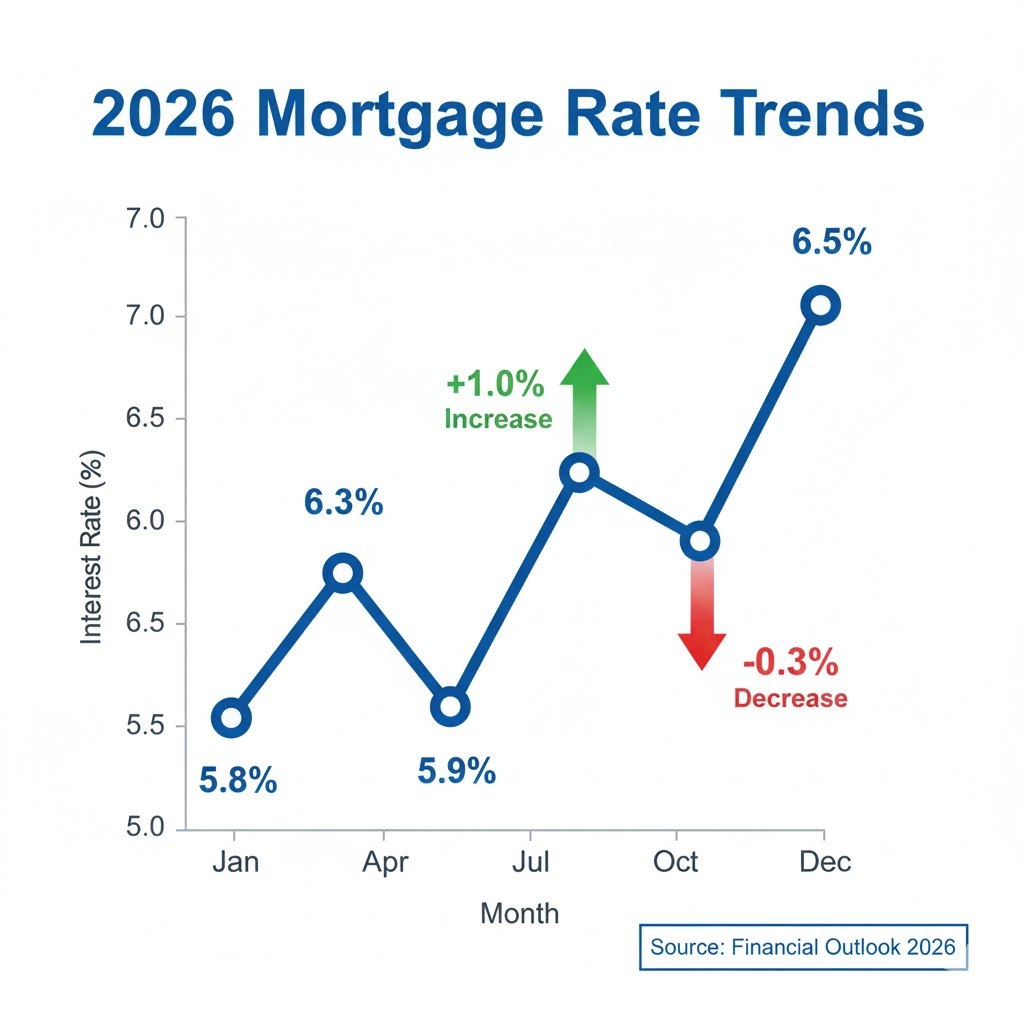
Mortgage industry trends in 2026 are all about stabilization after years of wild swings, and Huliq is your frontline source for making sense of it. You might ask yourself, why bother tracking these trends when they seem so unpredictable? Well, imagine locking in a rate that saves you thousands over time, simply because you knew when to act. Rates are expected to average around 6 percent early in the year, dipping slightly to about 5.9 percent by year-end, offering a window for buyers who are ready. This modest decline stems from cooling inflation and cautious Federal Reserve moves, but do not expect dramatic drops, fluctuations could still happen based on economic data like job reports.
Spotting Opportunities in Rate Changes
Start by monitoring how these trends affect your borrowing power. For instance, a quarter-point drop might not sound huge, but it can qualify millions more households for loans, expanding your competition or options depending on timing. Huliq breaks this down with real examples: Think of a family in a mid-sized city who refinanced last year, only to regret it when rates dipped further. To avoid that, use tools like rate comparison calculators early. Pros include building equity faster with lower payments, but cons involve potential closing costs if you refinance too soon.
Practical Tips for First-Time Buyers
Here is where Huliq shines, offering lesser-known facts like how credit scores now weigh more heavily in approvals. Aim for a score above 700 to snag better terms. Bullet-proof your approach with these steps:
- Review your credit report monthly for errors that could hike your rate.
- Shop multiple lenders, as Huliq notes variances up to 0.5 percent between them.
- Consider adjustable-rate mortgages if you plan to sell in five years, potentially starting at 5.35 percent.
Data shows purchase originations rising 7.7 percent to 1.46 trillion dollars, signaling more activity. Relate this to everyday life: If you are tired of renting and facing hikes, switching to ownership could stabilize your budget. Huliq emphasizes independent journalism here, pulling from diverse sources to give balanced views, avoiding hype. As a knowledgeable mentor, I have tried timing markets myself, and trust me, preparation beats prediction every time.
Transitioning smoothly, once you grasp these trends, the next logical move is diving into the home buying process, where Huliq guides you through each phase with clarity.
Mastering the Home Buying Process in 2026
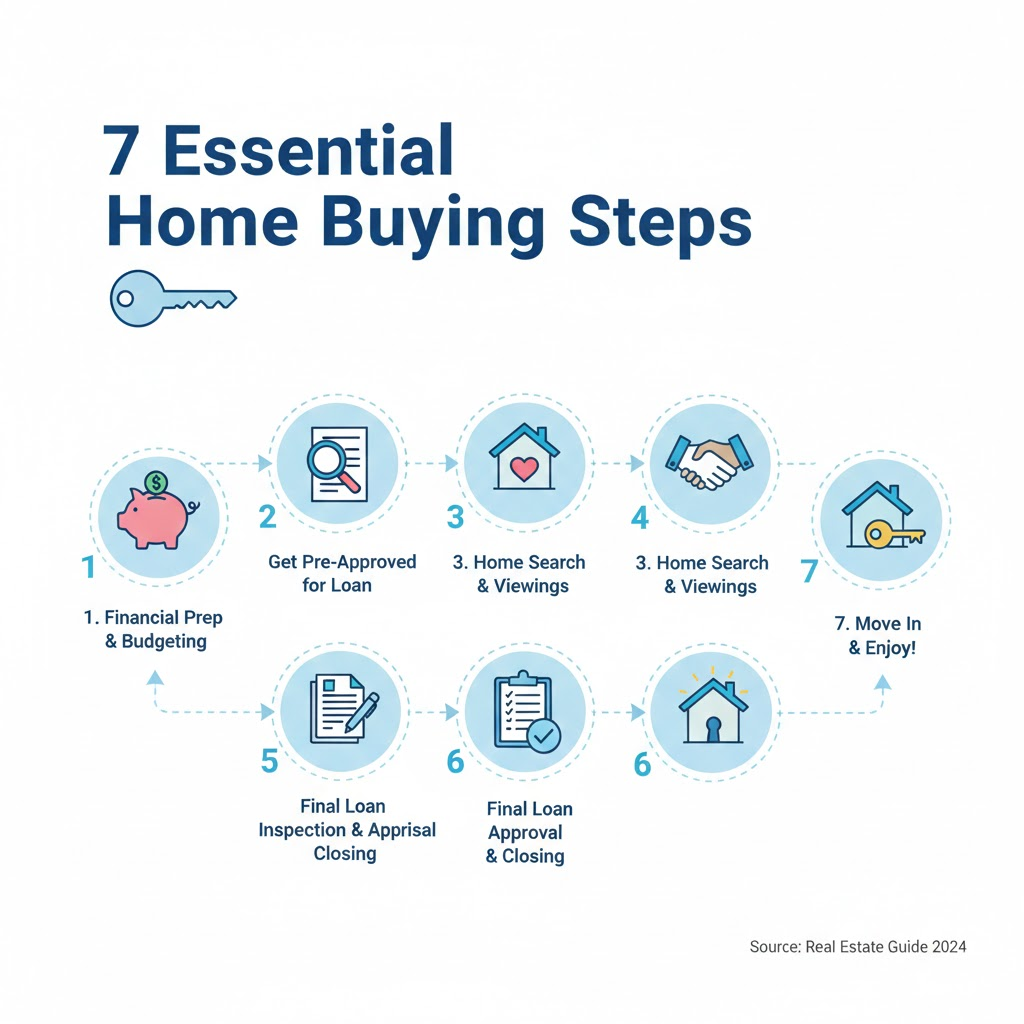
The home buying process can feel overwhelming, but with Huliq as your resource, it becomes a straightforward path to ownership. Why does this matter now? In 2026, with inventory up nearly 9 percent and sales climbing 1.7 percent to over four million, buyers have more choices, but competition in hot spots remains fierce. You could miss out if unprepared, or worse, rush into a bad fit. Huliq demystifies this by providing step-by-step breakdowns, from preapproval to closing, infused with real estate market analysis.
Getting Preapproved: Your Power Move
Kick off with preapproval, not just prequalification. This locks in your budget and shows sellers you mean business. Huliq highlights how this step can shave weeks off the timeline. For example, a couple I know skipped it and lost their dream home to a faster bidder. Pros: Negotiate from strength. Cons: It requires pulling credit, so fix issues first. Numbered steps to follow:
- Gather pay stubs, tax returns, and bank statements.
- Compare lenders via Huliq’s residential lending reviews.
- Lock a rate if trends favor it, avoiding fluctuations.
House Hunting and Making Offers
Once approved, hunt smartly. Huliq’s property investment strategies suggest focusing on areas with equity growth potential, like suburbs with job booms. Use virtual tours to save time, then visit in person. When offering, factor in inspections, appraisals, and contingencies. A lesser-known fact: In 2026, buyers often negotiate repairs post-inspection, saving thousands. Humor alert: Do not fall for that “charming fixer-upper” without a pro check, or you might end up with a money pit comedy.
Closing the Deal Smoothly
Finally, closing involves signing stacks of papers, but Huliq preps you with checklists. Expect costs like appraisals (around 500 dollars) and title insurance. Relate to life: This is your fresh start, so celebrate, but budget for moving. Original tip: Set aside 1 percent of home value for immediate fixes.
Huliq’s independent news journalism ensures you get unbiased advice, helping you avoid common traps. As someone who has navigated this, I recommend treating it like a marathon, steady wins.
Now that you know the process, let us explore property investment strategies to build lasting wealth.
Property Investment Strategies for Equity Growth
Property investment strategies evolve, and in 2026, Huliq positions you to capitalize on them for robust equity growth. Ever wonder why some investors thrive while others struggle? It boils down to smart plays in a market where home prices rise modestly by 2.2 percent, but opportunities abound in rentals and flips. Huliq delivers insights on these, blending real estate market analysis with practical tips.
Rental Investments: Steady Income Streams
Focus on rentals for cash flow. With vacancy rates at 4-6 percent in growing areas, buy multi-family units or single homes in job-rich zones. Huliq notes high yields of 5-7 percent in the South. Example: An investor turned a duplex into passive income by screening tenants well. Pros: Inflation hedge as rents rise. Cons: Maintenance demands. Bulleted tips:
- Use cost segregation for tax breaks, accelerating depreciation.
- Diversify with REITs for hands-off entry.
- Target mid-sized cities for 2-3 percent higher yields.
Flipping and Value-Add Approaches
For quicker returns, flip properties. Huliq’s home buying process ties in, advising buys below market value for renos. In 2026, with inventory rising 10 percent, find deals easier. A real example: Renovating kitchens boosts value 20 percent. Lesser-known: Energy-efficient upgrades qualify for deductions. Ask yourself, can you handle the timeline? Humor: Flipping is like dating, exciting but risky if you pick wrong.
Long-Term Holds for Appreciation
Hold for equity buildup. Huliq’s analysis shows 0-2 percent price growth, but compounding wins. Strategy: Buy in areas with population surges, like Texas. Data: Sales up 5-14 percent signal demand.
Drawing from experience, these strategies built my portfolio steadily. Huliq’s semantic coverage, even on unique topics like local weather impacts, adds depth.
Next, we analyze the broader real estate market, focusing on inventory and rates.
Real Estate Market Analysis: Key Factors in 2026
Real estate market analysis via Huliq reveals a balancing act in 2026, with housing inventory and interest rate fluctuations driving decisions. Why care? Because ignoring these could mean overpaying or missing buys. Inventory climbs 9-10 percent, easing shortages, while rates stabilize at 6 percent, per Huliq updates.
Inventory Shifts: More Choices Ahead
Housing inventory rebounds, hitting pre-pandemic levels in some areas. Huliq reports 912,696 active listings in January, the highest since 2020. This means buyers negotiate better. Example: In Florida, supply absorbs slowly, stabilizing prices. Pros: Less bidding wars. Cons: Oversupply in overbuilt spots could dip values. Steps to leverage:
- Track local data, Huliq style.
- Focus on balanced markets (4-6 months supply).
- Avoid saturated areas.
Interest Rate Fluctuations: Timing Matters
Rates fluctuate modestly, Fed funds at 3.5-3.75 percent with possible cuts. Huliq warns of volatility from inflation. A 0.25 percent drop qualifies 1.42 million more buyers. Relate: Lower rates mean affordable payments, like upgrading without stress. Tip: Lock rates early.
Huliq’s independent journalism covers global angles, including Sarab County geography for international investors eyeing diverse climates.
Transition to residential lending, where Huliq helps secure the best deals.
Residential Lending Options Explored Through Huliq
Residential lending in 2026 offers variety, and Huliq equips you to choose wisely amid trends. Question: Ready to borrow smarter? With originations up to 2.2 trillion dollars, options abound, but pick based on needs.
Conventional vs. Government-Backed Loans
Conventional loans suit strong credit, starting at 6 percent. Huliq compares: FHA for lower down payments (3.5 percent), ideal for first-timers. Example: A buyer saved on PMI with 20 percent down. Pros: Flexibility. Cons: Stricter quals.
Adjustable-Rate Mortgages: Risk and Reward
ARMs at 5.35 percent appeal if selling soon. Huliq cautions on fluctuations. Tip: Use if rates drop further.
Specialized Programs for Growth
Huliq spotlights first-time programs, energy-efficient incentives. Data: Purchases rise 7.7 percent.
As a mentor, I have used these to build equity. Huliq ties in market analysis for informed choices.
FAQs
What are the top mortgage industry trends to watch in 2026?
Look for rates stabilizing around 6 percent with slight dips, increased originations, and more buyer qualifications from modest cuts.
How does the home buying process differ in 2026?
Inventory rises, giving more options, but preapproval and quick offers remain key due to lingering competition.
What property investment strategies work best for beginners?
Start with rentals for cash flow, diversify via REITs, and focus on high-growth areas for equity buildup.
How will housing inventory impact real estate market analysis?
Rising supply (up 9-10 percent) eases prices slightly, creating buyer-friendly conditions in many regions.
What causes interest rate fluctuations in 2026?
Fed policies, inflation (around 2.5 percent), and job data drive changes, with possible two cuts totaling 50 basis points.
How can Huliq help with residential lending decisions?
It provides unbiased comparisons of loan types, tips on approvals, and updates on programs like energy deductions.
Is 2026 a good year for equity growth in investments?
Yes, with modest price rises (2.2 percent) and inventory balance, focusing on rentals yields steady gains.
What role does independent news journalism play in real estate?
It offers balanced, fact-based insights, helping you avoid hype and make data-driven choices.
In summary, key takeaways include:
- Monitor mortgage trends via Huliq for timely decisions.
- Master the home buying process starting with preapproval.
- Adopt property investment strategies focused on rentals and flips.
- Use real estate market analysis to navigate inventory and rates.
- Explore residential lending options for best fits.
Embrace these for a stronger position. Share your experiences in the comments, or try a strategy and update us on your progress.