

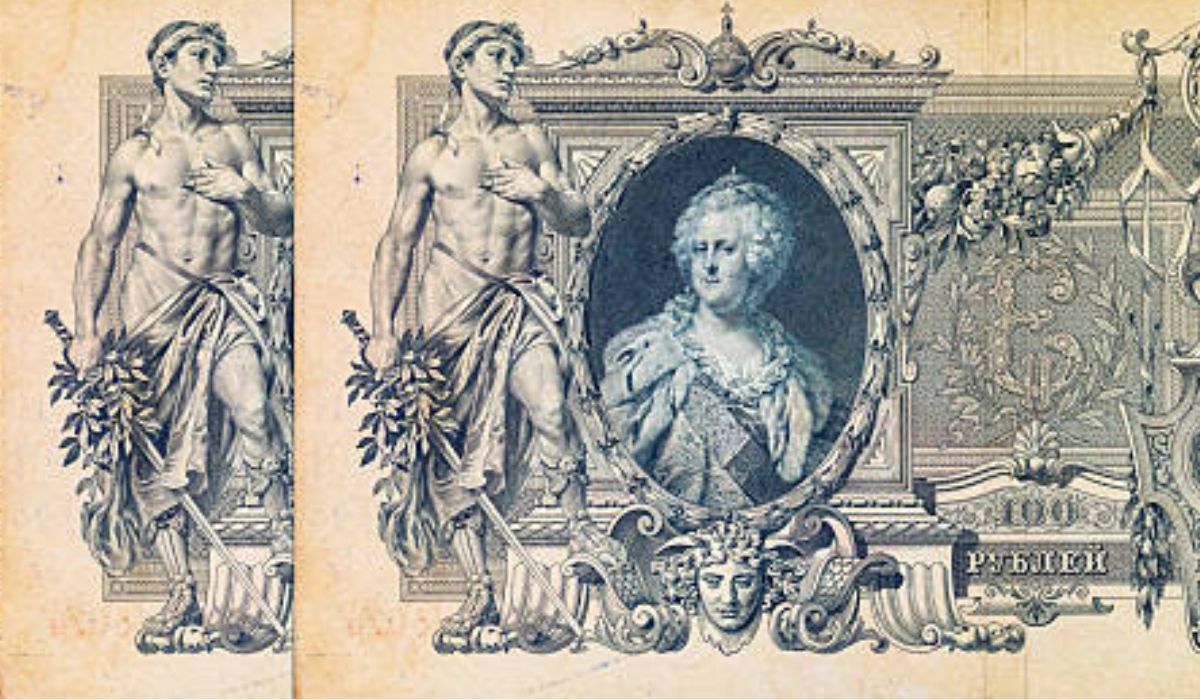
Catherine the Great’s ascent to power was anything but ordinary, and it directly shaped her approach to furniture. Born Sophie Friederike Auguste von Anhalt-Zerbst in 1729, she married into the Russian royal family at 16, becoming Grand Duchess. Her husband, Peter III, was immature and ineffective, leading Catherine to orchestrate a coup in 1762 with help from lovers like Grigory Orlov. As empress, she embraced Enlightenment ideas, corresponding with Voltaire and promoting arts to modernize Russia.
This context fueled her furniture commissions. She hired architects like Charles Cameron, a Scottish neoclassicist, to redesign palaces and create cohesive interiors where furniture wasn’t an afterthought but integral to the architecture. Cameron’s work at Tsarskoye Selo, for instance, included rooms where every piece harmonized with walls and ceilings, reflecting Catherine’s vision of Russia as a European powerhouse.
Key Influences on Her Designs
Catherine drew from French Rococo for its playful curves and Italian neoclassicism for structured elegance. Her collections symbolized enlightenment, with desks for writing reforms and galleries for displaying art.
Pros and Cons of Her Approach
Pros: Timeless appeal, blending functionality with symbolism. Cons: High costs limited to elites, and some pieces were overly ornate for daily use.
As someone who’s analyzed countless historical artifacts, I’ve seen how Catherine’s choices set trends. For example, her preference for multifunctional items like secretary desks with hidden drawers inspired modern modular furniture. Lesser-known fact: She imported French craftsmen but encouraged Russian artisans, boosting local economy.
Think about it: How would your home change with a touch of such intentional design? It keeps things flowing seamlessly.
Citations: For more, check The Hermitage Museum’s collections, which house many of her pieces; Charles Cameron’s biography on Alexander Palace site details his contributions; History.com on her political rise; Britannica on Enlightenment influences; and a study from the Victoria and Albert Museum on neoclassical trends.
This foundation leads us to the styles that made her furniture iconic.
Exploring the Styles: Rococo and Neoclassical in Catherine the Great Furniture
Catherine the Great furniture evolved with her tastes, starting with Rococo’s whimsy and shifting to neoclassical restraint. Early in her reign, Rococo dominated, influenced by French trends she adored. Think delicate scrolls, asymmetrical motifs, and gilded accents that screamed luxury.
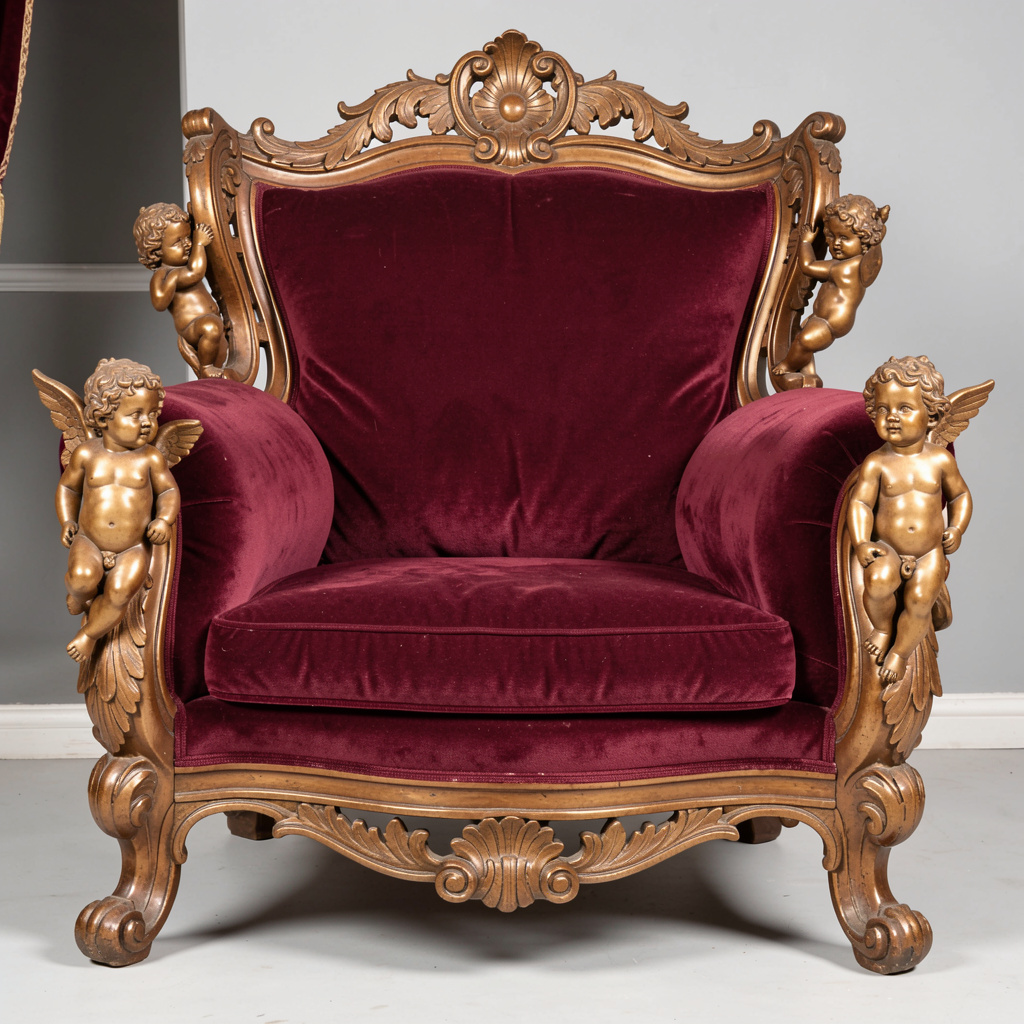
By the 1770s, neoclassicism took over, thanks to Cameron’s input. Inspired by ancient Greece and Rome, it featured straight lines, columns, and motifs like laurel wreaths. At Pavlovsk Palace, furniture had a heavy Louis XVI vibe, with accentuated forms.
Rococo Elements in Detail
- Curved legs on chairs and tables for fluidity.
- Ornate carvings of shells and flowers.
- Bright silks in upholstery for vibrancy.
Neoclassical Highlights
- Symmetrical designs symbolizing order.
- Marble tops on consoles for durability.
- Wrought-iron folding armchairs in galleries, blending utility with elegance.
Pros: Rococo adds playfulness; neoclassical offers timeless sophistication. Cons: Rococo can feel dated; neoclassical might seem stark.
From my dives into archives, a fun tip: Mix styles like Catherine did for eclectic rooms. Real example: The Green Dining Room at Catherine Palace, with Cameron’s chairs in beech wood, painted and upholstered in silk.
Rhetorical question: Ever wondered why your modern minimalist setup feels cold? A dash of Catherine’s neoclassicism could warm it up with history.
Next, let’s look at the materials that brought these styles to life.
Materials of Imperial Luxury: What Made Catherine the Great’s Collection Unique
Exotic materials defined Catherine the Great furniture, sourcing from across her empire and beyond to flaunt wealth. Mahogany and ebony provided rich bases, while rosewood added warmth. Gilded bronze (ormolu) accented everything, from handles to feet.
Ural stones were stars: Malachite for green vibrancy, lapis lazuli for blue depth, marble for tabletops. In the Malachite Room at Winter Palace, panels met gilt bronze under velvet.
Top Materials and Their Uses
- Exotic woods: Bases for desks and chairs.
- Gilded bronze: Decorative mounts.
- Marble and malachite: Surfaces and inlays.
- Silk and velvet: Upholstery for comfort.
- Porphyry and jasper: Vases and accents.
Pros: Durability and symbolism (e.g., malachite for Russian pride). Cons: Heavy, expensive to maintain.
Tip from experience: If replicating, use faux malachite paint for affordability. Lesser-known: Cameron used rock-crystal for chandeliers, scattering light like jewels.
Relate to life: Imagine sipping tea on a malachite table; it’s that everyday elevation Catherine mastered.
This luxury shone in her standout pieces.
Iconic Pieces: From Secretary Desks to Gallery Armchairs in Catherine the Great Furniture
Catherine’s collection boasted functional yet symbolic items. Secretary desks with hidden compartments stored her correspondences, blending secrecy with style.
In Cameron Gallery at Tsarskoye Selo, wrought-iron folding armchairs offered portability for outdoor views. Large candelabra in carved wood lit banquets.
Standout Examples
- Secretary desks: Mahogany with ormolu, hidden drawers for intrigue.
- Consoles: Marble tops, gilt bronze legs.
- Armchairs: Greek-style iron at Pavlovsk.
- Fireplaces: Marble with lion motifs in Green Dining Room.
- Chandeliers: Colored glass lustres.
Pros: Versatile for palaces. Cons: Some too grand for small spaces.
Original tip: Use similar hidden compartments in home offices for modern privacy. Example: Paul’s Pavlovsk pieces evolved neoclassicism.
Humor: Bet those desks hid more than letters; maybe a love note or two?
But not all tales are tame; enter the myths.
The Scandalous Myth: Catherine the Great’s Erotic Furniture Legend
Ah, the juicy part: Catherine the Great’s erotic furniture. Legend says she had a secret cabinet at Tsarskoye Selo or Gatchina, filled with explicit pieces like tables with phallic legs and chairs carved with genitalia. Walls allegedly featured wooden phalluses and Pompeii artifacts.
Origins trace to post-death gossip, amplified by WWII German soldiers claiming discoveries in 1941 (though invasion started then, not 1940 as some say). Two photos show a graphic chair and table, supposedly hers, destroyed in fires.
Debunking the Tale
- No pre-WWII records.
- Likely misogynistic propaganda by enemies like Frederick the Great.
- Part of broader myths: Nymphomania (exaggerated from 12-22 lovers), horse death (false).
Pros of the legend: Sparks interest in history. Cons: Overshadows her achievements.
From my research, it’s probably hoax, but fun to ponder. Tip: If curious, view replicas ethically.
Relate: In today’s world, it’s like viral memes distorting celebs.
Her legacy endures beyond rumors.
Preservation and Modern Influence of Catherine the Great Furniture
Many pieces survive in museums like the Hermitage, restored after WWII damage. Tsarskoye Selo’s rooms, like the Green Dining Room, were rebuilt to Cameron’s specs post-fires.
Modern influence: Neoclassical revivals in luxury brands, with malachite accents in jewelry or decor.
Preservation Efforts
- Hermitage holds jewels, porcelain, furniture.
- Auctions feature inspired items.
Pros: Cultural heritage preserved. Cons: Replicas dilute authenticity.
Tip: Visit virtually; apps recreate palaces.
Everyday tie: Your IKEA desk? Echoes her functional elegance.
Finally, how to channel this at home.
Collecting Tips: Bringing Catherine the Great Style into Your Home
Want Catherine the Great furniture vibes without a palace? Start small.
Steps to Incorporate
- Choose neoclassical: Clean-lined chairs.
- Add ormolu accents: Gilded lamps.
- Use malachite prints: Affordable alternatives.
- Hidden features: Desks with drawers.
- Mix eras: Rococo cushions on modern sofas.
Pros: Elevates spaces. Cons: Overdo and it feels stuffy.
From years exploring designs, tip: Thrift for antiques; restore them.
Humor: Skip the erotic unless you’re bold!
FAQs
What styles defined Catherine the Great furniture?
Primarily Rococo with ornate curves and neoclassical with classical symmetry, influenced by European trends.
Is Catherine the Great’s erotic furniture real?
It’s a legend; no proven evidence, likely a myth spread by enemies, though photos exist of explicit pieces.
Where can I see authentic Catherine the Great furniture?
At the Hermitage Museum in St. Petersburg or Tsarskoye Selo’s Catherine Palace.
What materials were common in her collection?
Exotic woods like mahogany, gilded bronze, malachite, marble, and silk upholstery.
How did Charles Cameron influence her designs?
He integrated furniture with architecture, creating cohesive neoclassical rooms at palaces like Pavlovsk.
Did Catherine the Great really have hidden compartments in furniture?
Yes, in items like secretary desks, for practical and symbolic secrecy.
What’s the legacy of Catherine the Great furniture today?
It inspires luxury decor, with revivals in modern neoclassical and Russian-inspired designs.
How can I incorporate her style affordably?
Use replicas, gilded accents, and stone-inspired prints from stores like IKEA or antiques markets.
The opulent designs of Catherine the Great furniture highlight a blend of power and artistry, offering timeless inspiration for elegance in your own home. Research suggests these pieces symbolized Russia’s enlightenment era, though myths add layers of intrigue. Benefits include appreciating craftsmanship that endures centuries, encouraging you to mix history with modern living.
Share your thoughts in the comments: Have you seen similar styles? Try incorporating a neoclassical touch and let me know how it goes!